Ask before recording
Agree on who will hear the recording and whether parts may become a written family story.

Record family stories
A practical guide to recording a parent’s or grandparent’s stories with open questions, careful listening, clear consent, and durable files.
The equipment matters less than the relationship. Explain why you want to record, how the recording may be used, and that the person can pause or leave any subject alone.
Begin somewhere easy. Listen for people, places, objects, decisions, and sensory details. A thoughtful follow-up usually produces more than a long list of unrelated questions.
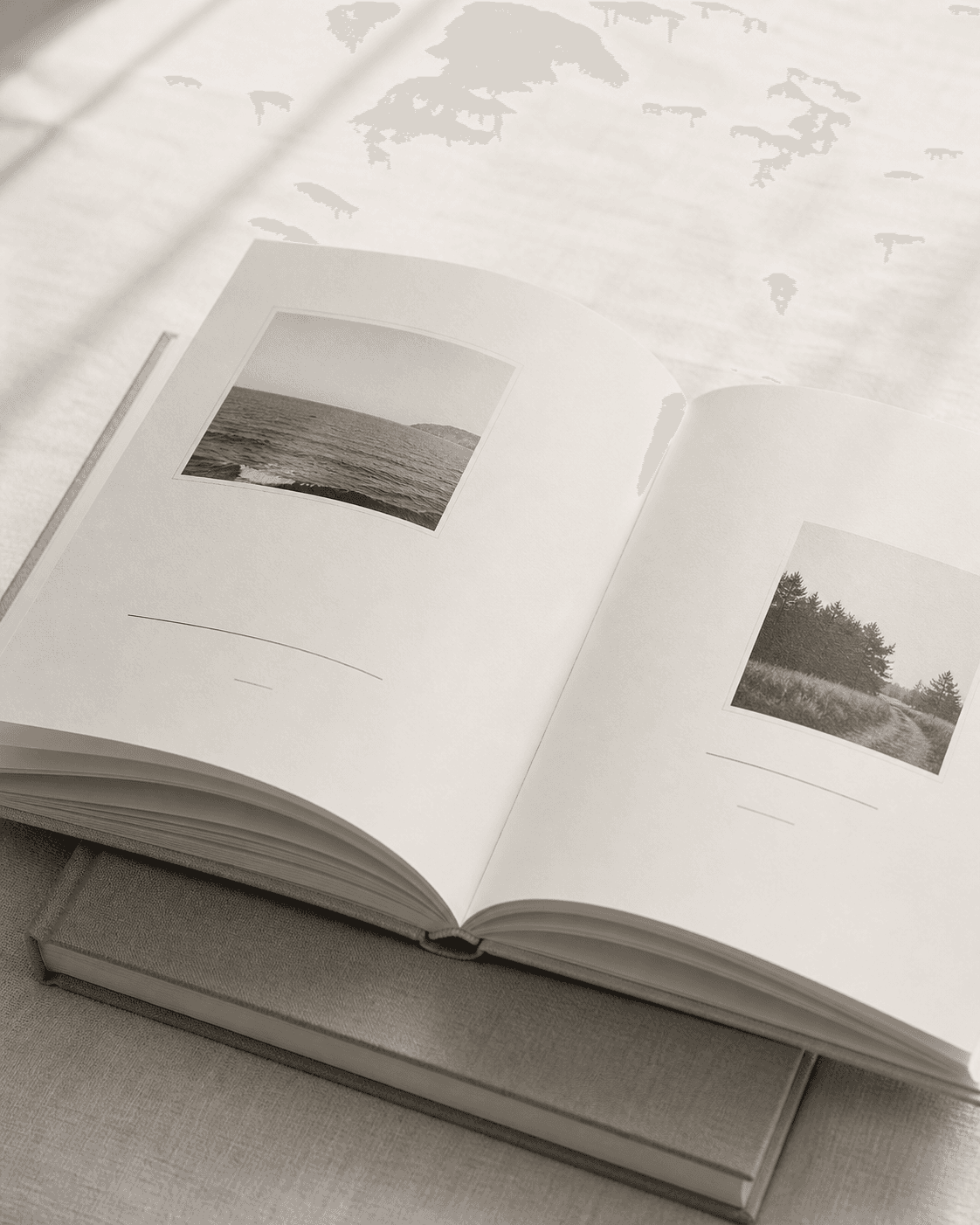
Agree on who will hear the recording and whether parts may become a written family story.
“What was the house like?” invites a story. “Did you like the house?” often ends with one word.
Use clear filenames and keep more than one copy in separate places.
Before you begin
01
Tell the person why the family wants to listen and what you hope to make. Ask where they feel comfortable talking and whether photographs or letters would help.
Permission is ongoing. A yes at the beginning does not remove the right to pause, skip a question, or change what may be shared later.
During the conversation
02
Open with a subject that feels familiar: a neighborhood, a first job, a family ritual, a favorite meal. Let the answer settle before moving on.
When a detail carries energy, ask for the scene around it. Who was there? What happened next? What did they understand differently afterward? Leave room for silence instead of filling it immediately.
Afterward
03
Name the recording with the storyteller, date, and subject. Add a short note identifying unfamiliar people and places while the context is fresh.
Keep the original recording, make a separate working copy, and store copies in more than one place. Ask again before sharing beyond the agreed family circle.
Join the early list
Omoide can hold the conversations, remember the threads, and shape the chosen stories into a book.
Join the early list